Nomination desk
Nominate Maingate Shipping for Cabinda and the call is planned from the port's own facts: the coast of the Cabinda enclave, north of the Congo River mouth, working the commercial port at Cabinda and the other berths the cargo needs. Attendance at Cabinda is by our partner agent under Maingate's instruction; the Mombasa desk stays with the vessel from nomination to final DA.

Maingate Shipping Limited provides ship agency at Cabinda Port, Angola, for owners, charterers, managers and traders whose vessels call there for cargo, bunkers, crew or stores. The port's working areas are the commercial port at Cabinda, the oil industry base at Malongo and the offshore terminals where crude is loaded from the fields, and the desk plans each call around the one the vessel is bound for.
The trade through Cabinda is crude oil outbound from the offshore terminals, oil industry supplies and equipment, timber, and general cargo for the enclave. The enclave itself and the offshore blocks, which is why a call here is as much about documents and receivers inland as it is about the berth.
One thing to know before nominating: the oil terminals run under the operators' own marine procedures, and the commercial port is small, so most calls are oil industry calls planned with the operator.
Nothing on this list is assumed: it is agreed for the Cabinda call in writing and accounted for with its receipt.
Preparation for Cabinda runs on a checklist that the desk sends the principal with the proforma DA: the documents the port wants, the documents the receiver wants and the cut-off times for each. Berth application at the commercial port at Cabinda or the relevant working area, pilot booking and the notices to the authorities follow as soon as the ETA is firm.
The master receives a pre-arrival message with the anchorage position, the pilot boarding arrangements, the agent's contact and what the boarding officer will bring on arrival.

The cargoes worked at Cabinda are crude oil outbound from the offshore terminals, oil industry supplies and equipment, timber, and general cargo for the enclave, and each has its own rhythm of gangs, gear and receivers. The desk agrees the discharge or loading plan with the master and the stevedores, keeps the daily figures and records every stoppage with its reason and its duration.
Surveyors appointed by cargo or vessel interests are given access and information; the desk does not act for them, but it makes sure they are there when the operation needs them.
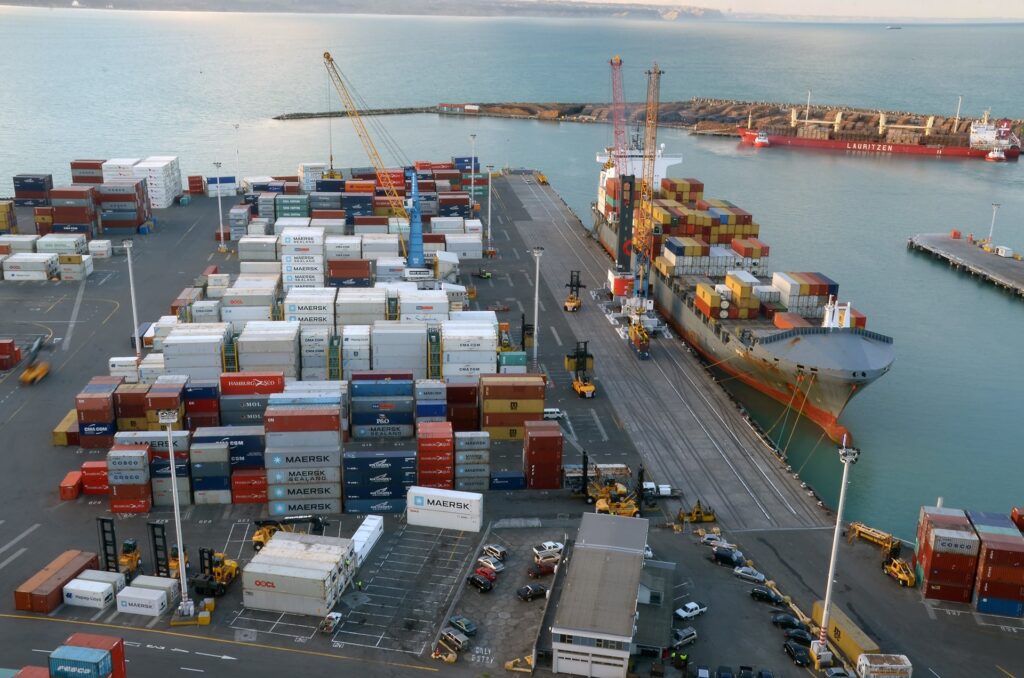
Behind Cabinda lies its catchment: the enclave itself and the offshore blocks. Receivers in that hinterland want to know when their cargo landed and when it left the port, and the desk reports both. Customs release, delivery orders and transport are coordinated with the clearing agents the receiver appoints.
Where a cargo is split between Cabinda and another port, or a vessel loads at Cabinda for several destinations, one file follows the cargo and the documents stay consistent.

The airport for Cabinda is Cabinda Airport, with connections through Luanda, and crew changes here are feasible with planning; the desk confirms the immigration position for each nationality when the crew list arrives. Bunkering at Cabinda is arranged with notice, and where it is not, the desk plans the stem at the nearest port on the route.
Spares are cleared in transit and delivered on board, cash to master is delivered against the master's signature, and a doctor is brought to the vessel or the seafarer taken to hospital as the case requires.
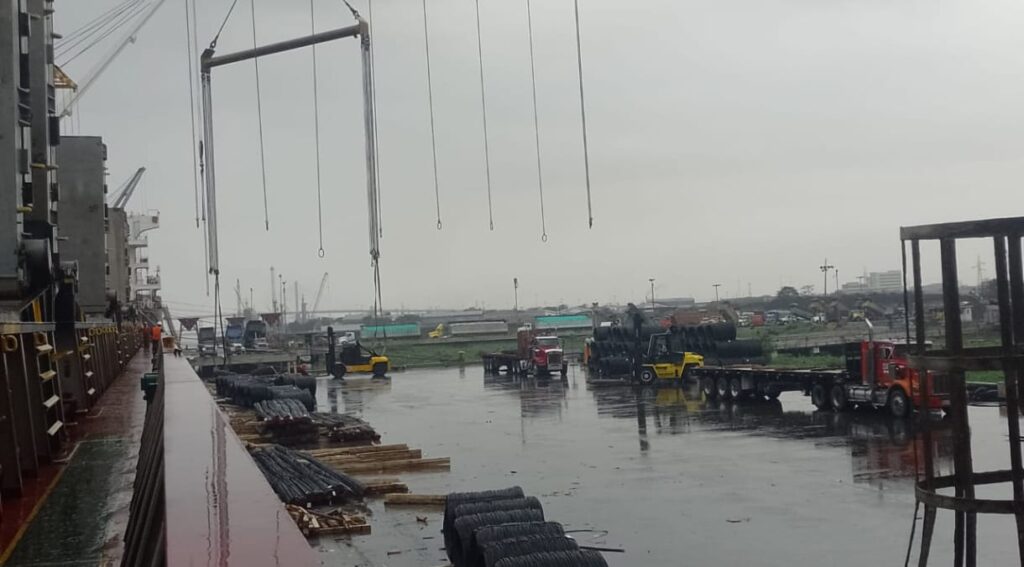
The oil terminals run under the operators' own marine procedures, and the commercial port is small, so most calls are oil industry calls planned with the operator. The desk plans around this rather than discovering it on the day, and tells the principal at nomination what it means for the call's timing and cost.
The partner agent at Cabinda lives with the port every day; the Mombasa desk brings the principal's standards, the DA format and the reporting, and stands behind the service.

The same working day, with a proforma DA and the list of documents the port and the receiver will want before arrival.
Our partner agent at Cabinda, appointed and instructed by Maingate Shipping, attends the vessel; the Mombasa desk coordinates, reports to the principal and is responsible for the service.
The desk revises the berth and pilot bookings, informs the receiver and the authorities, and tells the principal what the change means for waiting time and cost.
Feasible with planning, through Cabinda Airport, with connections through Luanda. The desk files the immigration formalities before the crew travels.
Bunkers can be arranged at Cabinda with notice; where quantities or grades are not available, the desk advises the nearest port where they are.
One instruction, one account, one contact for the master and one for the principal.
Where a Cabinda call usually leads next.
Also on maingateshipping.com: Ship agency at Mombasa · Ship agency and charter brokers · Ship brokerage · About Maingate · Contact
Maingate Shipping Limited · Express Building, Moi Avenue, Mombasa, Kenya · ops@maingateshipping.com · +254 784 622 091