Africa agency line
Nominate Maingate Shipping for Durban and the call is planned from the port's own facts: the largest general cargo port in sub-Saharan Africa, on the KwaZulu-Natal coast, working the container terminals at Pier 1 and Pier 2 and the other berths the cargo needs. Attendance at Durban is by our partner agent under Maingate's instruction; the Mombasa desk stays with the vessel from nomination to final DA.

Ship agency at Durban Port, South Africa from Maingate Shipping covers the whole call for container ships, tankers, bulk carriers, car carriers, cruise ships, offshore vessels and naval vessels: the formalities, the berth, the operation, the crew and stores, and the account. The largest general cargo port in sub-Saharan Africa, on the KwaZulu-Natal coast is the setting; the container terminals at Pier 1 and Pier 2, the Island View liquid bulk berths, Maydon Wharf for breakbulk and bulk, the car terminal and the cruise terminal are the working areas.
What moves through Durban: containers, petroleum and chemicals, vehicles, steel, grain, sugar and wood products. Where it goes: the Durban-Gauteng corridor to Johannesburg and the industrial heartland, with rail and road links across Southern Africa. Both decide who the desk must have spoken to before the vessel drops anchor.
Principals nominating Durban for the first time are told at once that ship repair, drydocking and a full range of marine contractors are available in port, which makes Durban a natural place to combine a cargo call with maintenance, because that fact shapes the timing and the cost of the call.
Each line is quoted in the proforma DA for Durban Port, South Africa and supported by a receipt in the final account.
The nomination is acknowledged promptly, and the desk answers with a proforma DA built on Durban's tariff and the vessel's particulars. Notices go to the port, customs, immigration and health; the berth and pilot are booked for the working area the cargo needs, whether that is the container terminals at Pier 1 and Pier 2 or another part of the port.
Receivers, shippers and their clearing agents are contacted before arrival so that documents, permits and evacuation are ready when the first grab or the first container moves.

Working cargo at Durban means containers, petroleum and chemicals, vehicles, steel, grain, sugar and wood products moving between ship and quay under the eye of a boarding officer who writes down what happens as it happens. Commencement and completion, shift changes, rain, breakdowns, waiting for trucks or wagons, and the figures reconciled at the end of each day between the ship's tally, the stevedores' count and the receiver's out-turn.
That record becomes the statement of facts, and the statement of facts becomes the laytime account. The desk keeps it accordingly.

Behind Durban lies its catchment: the Durban-Gauteng corridor to Johannesburg and the industrial heartland, with rail and road links across Southern Africa. Receivers in that hinterland want to know when their cargo landed and when it left the port, and the desk reports both. Customs release, delivery orders and transport are coordinated with the clearing agents the receiver appoints.
Where a cargo is split between Durban and another port, or a vessel loads at Durban for several destinations, one file follows the cargo and the documents stay consistent.

Crew changes at Durban are routine, through King Shaka International Airport, about forty minutes from the port. Bunkers are established. Provisions, fresh water, spares, cash to master and medical attention are arranged with the call or at the anchorage while the vessel waits.
Owners appointing a protecting agent while the charterer holds the cargo agency place these matters with the desk directly, on a separate owner's account.

Every port has a fact that decides more calls than the tariff does. At Durban, ship repair, drydocking and a full range of marine contractors are available in port, which makes Durban a natural place to combine a cargo call with maintenance. The desk builds the arrival plan, the berth request and the crew plan around it.
The partner agent at Durban lives with the port every day; the Mombasa desk brings the principal's standards, the DA format and the reporting, and stands behind the service.
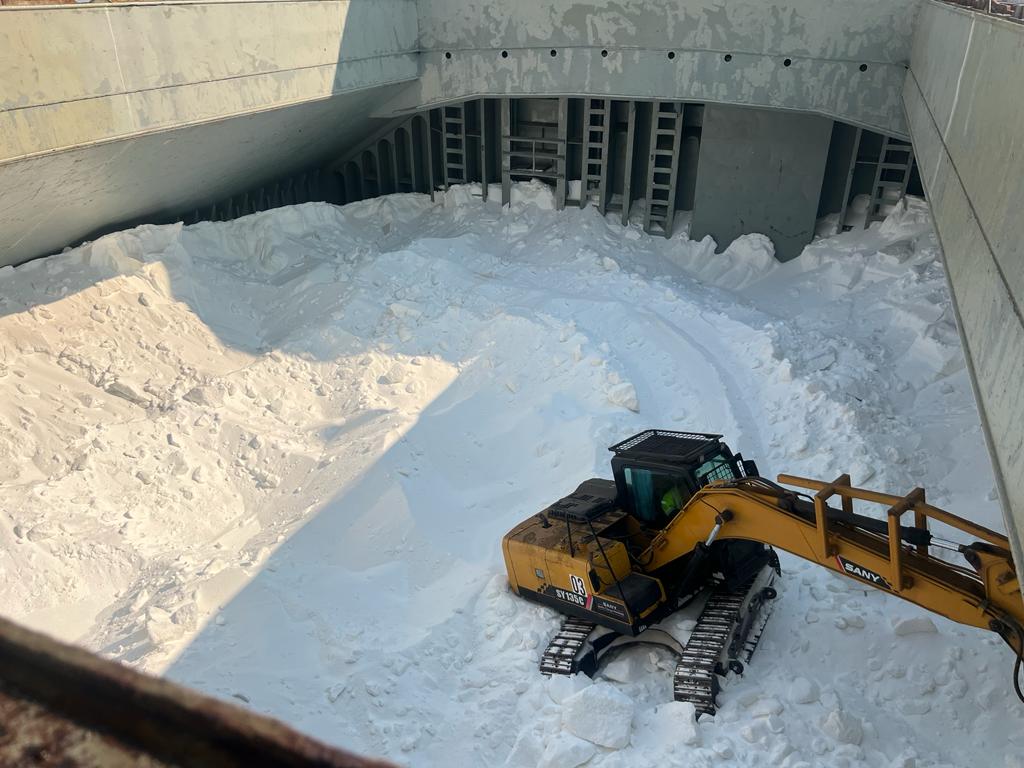
Our partner agent at Durban, appointed and instructed by Maingate Shipping, attends the vessel; the Mombasa desk coordinates, reports to the principal and is responsible for the service.
Crew changes are routine through King Shaka International Airport, about forty minutes from the port; the desk confirms the immigration requirements for each nationality on the crew list.
Yes, bunkering is established at Durban and bunker-only calls are handled by the desk.
The vessel's name and particulars, ETA, cargo or purpose of the call, the principal's name and the party responsible for the account, and any services the vessel needs. A proforma DA follows promptly.
Yes. Multi-port itineraries in South Africa and across Southern Africa are handled as one appointment with a separate DA per port.
Nominate Maingate Shipping and the answer comes from Mombasa with a proforma DA attached.
Related desks for vessels calling Durban.
Also on maingateshipping.com: Ship agency at Mombasa · Ship agency and charter brokers · Ship brokerage · About Maingate · Contact
Maingate Shipping Limited · Express Building, Moi Avenue, Mombasa, Kenya · ops@maingateshipping.com · +254 784 622 091