Port call desk
Dar es Salaam is a sheltered natural harbour entered through a narrow dredged channel on the Tanzanian mainland. Maingate Shipping coordinates port agency at Dar es Salaam for container ships, product and crude tankers, bulk carriers, car carriers and cruise ships: our partner agent at Dar es Salaam attends under Maingate's instruction and the Mombasa desk coordinates, with one proforma DA, one reporting style and one contact for the master and the principal.

Ship agency at Dar es Salaam Port, Tanzania from Maingate Shipping covers the whole call for container ships, product and crude tankers, bulk carriers, car carriers and cruise ships: the formalities, the berth, the operation, the crew and stores, and the account. A sheltered natural harbour entered through a narrow dredged channel on the Tanzanian mainland is the setting; the container terminal berths, the general cargo berths, the Kurasini oil jetty and the single point mooring off the harbour for crude and product tankers are the working areas.
What moves through Dar es Salaam: containers, petroleum products, wheat, fertilizer, sulphur and clinker inbound, with copper, cobalt concentrates, coffee and cashew outbound. Where it goes: the Central Corridor and the TAZARA line carry transit cargo to Zambia, DR Congo, Rwanda, Burundi, Uganda and Malawi. Both decide who the desk must have spoken to before the vessel drops anchor.
Principals nominating Dar es Salaam for the first time are told at once that anchorage waiting is common when berths are full, and the single point mooring has its own hose-connection and weather rules that shape a tanker call, because that fact shapes the timing and the cost of the call.
Every service is confirmed in writing before the vessel arrives at Dar es Salaam Port, Tanzania, and charged at cost with the receipt in the final account.
The nomination is acknowledged promptly, and the desk answers with a proforma DA built on Dar es Salaam's tariff and the vessel's particulars. Notices go to the port, customs, immigration and health; the berth and pilot are booked for the working area the cargo needs, whether that is the container terminal berths or another part of the port.
Receivers, shippers and their clearing agents are contacted before arrival so that documents, permits and evacuation are ready when the first grab or the first container moves.

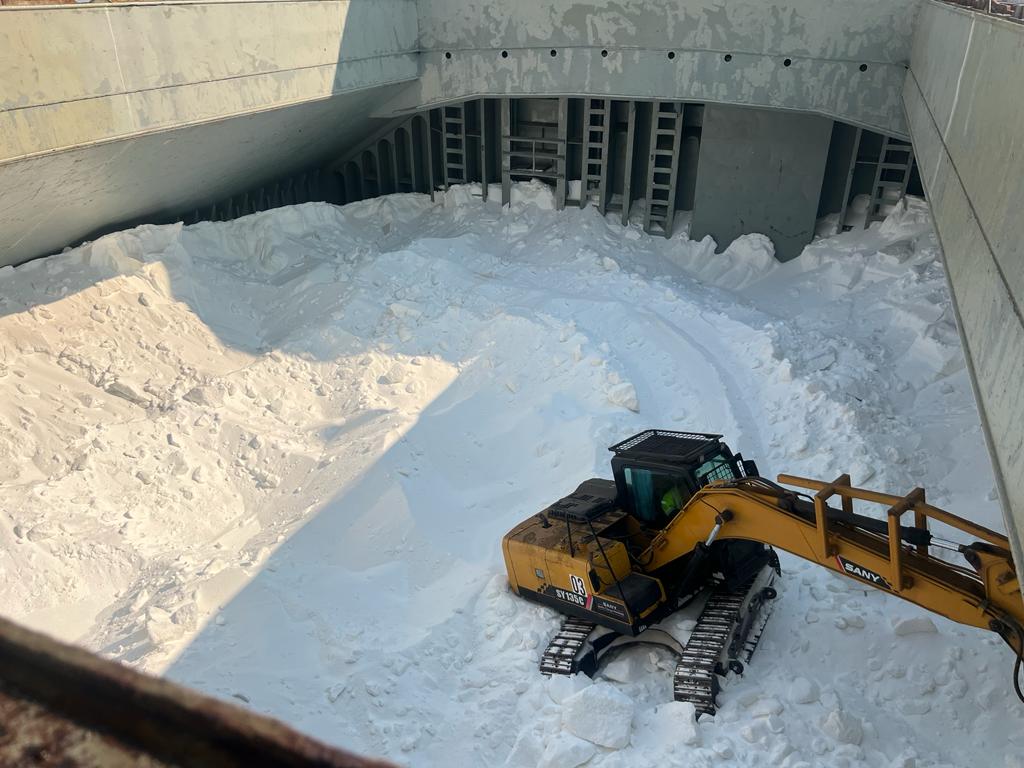
The cargoes worked at Dar es Salaam are containers, petroleum products, wheat, fertilizer, sulphur and clinker inbound, with copper, cobalt concentrates, coffee and cashew outbound, and each has its own rhythm of gangs, gear and receivers. The desk agrees the discharge or loading plan with the master and the stevedores, keeps the daily figures and records every stoppage with its reason and its duration.
Surveyors appointed by cargo or vessel interests are given access and information; the desk does not act for them, but it makes sure they are there when the operation needs them.
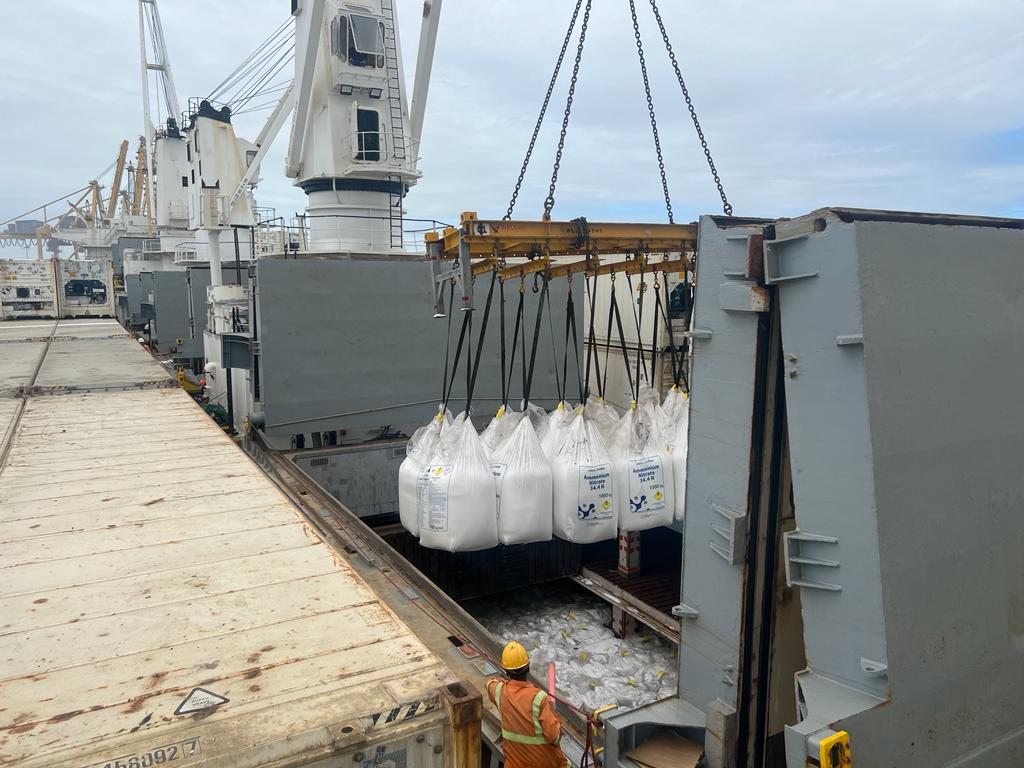
Cargo through Dar es Salaam does not stop at the gate: the Central Corridor and the TAZARA line carry transit cargo to Zambia, DR Congo, Rwanda, Burundi, Uganda and Malawi. The desk works with the receiver's clearing agent on transit bonds, delivery orders and evacuation by road or rail so that the discharge is not throttled by what happens landside.
Bills of lading, mate's receipts and out-turn reports are reconciled before the vessel sails, so that quantity questions are settled while the parties are still at the port.

The airport for Dar es Salaam is Julius Nyerere International Airport, close to the harbour, and crew changes here are routine; the desk confirms the immigration position for each nationality when the crew list arrives. Bunkering at Dar es Salaam is established, and where it is not, the desk plans the stem at the nearest port on the route.
Spares are cleared in transit and delivered on board, cash to master is delivered against the master's signature, and a doctor is brought to the vessel or the seafarer taken to hospital as the case requires.

Every port has a fact that decides more calls than the tariff does. At Dar es Salaam, anchorage waiting is common when berths are full, and the single point mooring has its own hose-connection and weather rules that shape a tanker call. The desk builds the arrival plan, the berth request and the crew plan around it.
The partner agent at Dar es Salaam lives with the port every day; the Mombasa desk brings the principal's standards, the DA format and the reporting, and stands behind the service.
The same working day, with a proforma DA and the list of documents the port and the receiver will want before arrival.
Our partner agent at Dar es Salaam, appointed and instructed by Maingate Shipping, attends the vessel; the Mombasa desk coordinates, reports to the principal and is responsible for the service.
The desk revises the berth and pilot bookings, informs the receiver and the authorities, and tells the principal what the change means for waiting time and cost.
Routine, through Julius Nyerere International Airport, close to the harbour. The desk files the immigration formalities before the crew travels.
Yes, bunkering is established at Dar es Salaam and bunker-only calls are handled by the desk.
One instruction, one account, one contact for the master and one for the principal.
The desks below cover the same coast and the same principals as Dar es Salaam.
Also on maingateshipping.com: Ship agency at Mombasa · Ship agency and charter brokers · Ship brokerage · About Maingate · Contact
Maingate Shipping Limited · Express Building, Moi Avenue, Mombasa, Kenya · ops@maingateshipping.com · +254 784 622 091