
Landlocked principals
Uganda trades through Mombasa, Dar es Salaam. Maingate Shipping coordinates the port call, the corridor documents and the reporting to principals in Kampala, Jinja and Entebbe from one desk in Mombasa, so that an importer or exporter inland deals with one agent whichever gateway the cargo uses.
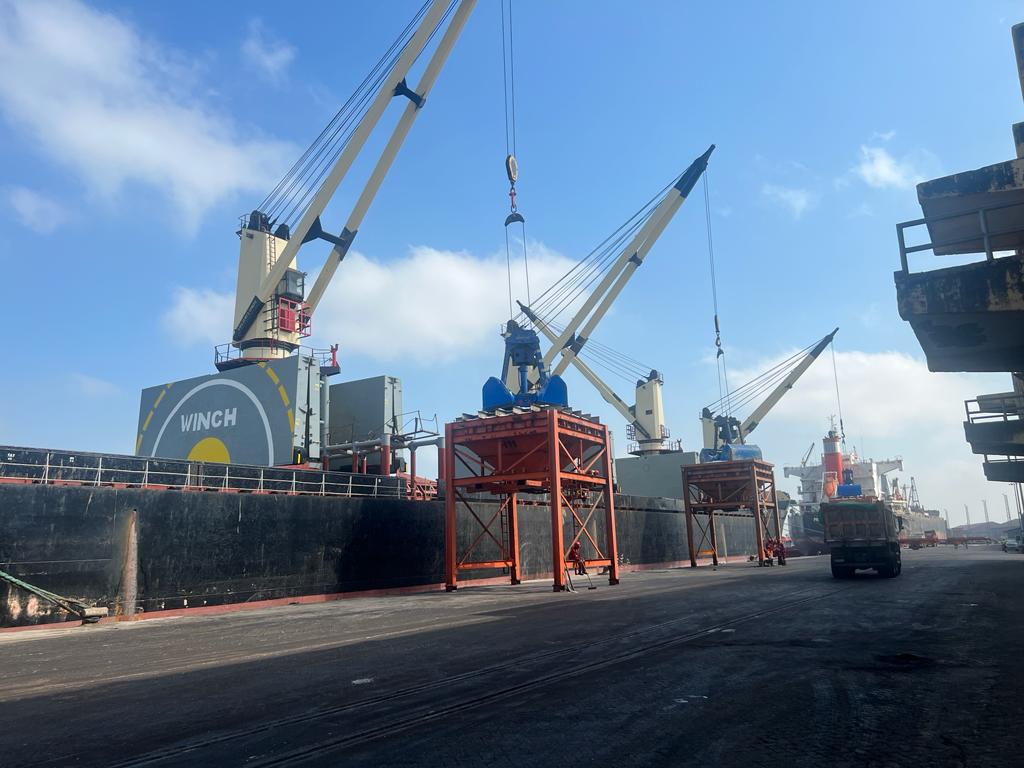
The inland container depots at Nairobi and Naivasha and the Kampala dry ports mean a Ugandan receiver's cargo often leaves Mombasa by rail within days of discharge. That is why Maingate Shipping runs a corridor desk for Uganda rather than treating its cargo as a footnote to a port call: the gateways are Mombasa, Dar es Salaam, the cargoes are fuel, wheat, fertilizer, vehicles, machinery, steel, pharmaceuticals and consumer goods inbound and coffee, tea, fish, cotton, sugar, cement and cocoa outbound, and the file has to hold together from the ship's rail to the border.
Regime and formalities: the East African Community single customs territory lets Ugandan importers clear cargo at Mombasa for direct delivery, with duties paid in Kampala.
Principals in Kampala, Jinja and Entebbe receive the same reports as the vessel's owner, in the same style, from one desk.
Uganda's gateways, and what each is for. Dar es Salaam: the Central Corridor by road through Mutukula, and the lake route through Mwanza. Mombasa: the Northern Corridor, the standard gauge railway to Naivasha and the road to Malaba and Busia, carrying most of the country's trade.
The desk quotes the options for each cargo on current port and border conditions, and the principal chooses on cost and time rather than on habit.

What arrives for Uganda: fuel, wheat, fertilizer, vehicles, machinery, steel, pharmaceuticals and consumer goods. The desk treats the discharge and the evacuation as one operation, because a vessel discharging faster than the trucks can take the cargo is a storage bill, and trucks waiting for a slow discharge are a haulage bill.
Transit bonds, delivery orders and corridor documents are ready before arrival, with the receiver's clearing agent.

Uganda's exports are coffee, tea, fish, cotton, sugar, cement and cocoa. They arrive at the coast by rail or truck and load on vessels the desk nominates or attends, with the export documents cleared and the loading supervised.
Producers and marketing boards work with the desk on the shipping programme so that vessels arrive when the cargo does.

Documents on the Uganda corridor: the East African Community single customs territory lets Ugandan importers clear cargo at Mombasa for direct delivery, with duties paid in Kampala. Getting them right before discharge is the difference between cargo that leaves the port as it lands and cargo that pays storage while a form is corrected.
And the fact behind every Ugandan shipment: the inland container depots at Nairobi and Naivasha and the Kampala dry ports mean a Ugandan receiver's cargo often leaves Mombasa by rail within days of discharge.
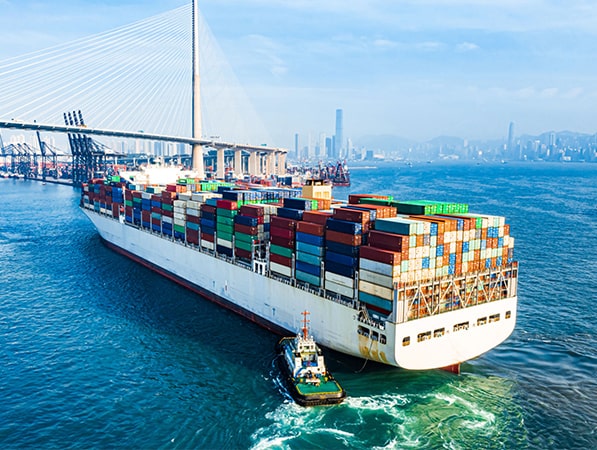
It depends on the cargo, the receiver's location and current corridor conditions; the desk compares Mombasa, Dar es Salaam for each shipment and says which it would choose.
Yes. Importers, exporters and their forwarders appoint the desk for the port call and the corridor coordination and receive the same reporting as a shipowner.
Maingate Shipping's own staff at Mombasa and Lamu; our partner agent at the other gateways, appointed and instructed by Maingate, with the Mombasa desk coordinating and reporting.
The bond is lodged with the receiver's clearing agent before discharge, and the corridor documents follow the cargo to the border.
One instruction, one account, one contact for the master and one for the principal.
Gateway desks and corridor services on one instruction line.
Also on maingateshipping.com: Ship agency at Mombasa · Ship agency and charter brokers · Ship brokerage · About Maingate · Contact
Maingate Shipping Limited · Express Building, Moi Avenue, Mombasa, Kenya · ops@maingateshipping.com · +254 784 622 091