Gateway coordination
For principals in Kigali, the sea starts at Mombasa or one of the other gateways. Maingate Shipping attends the vessel, clears the corridor paperwork and reports to the inland office as if it were standing on the quay.
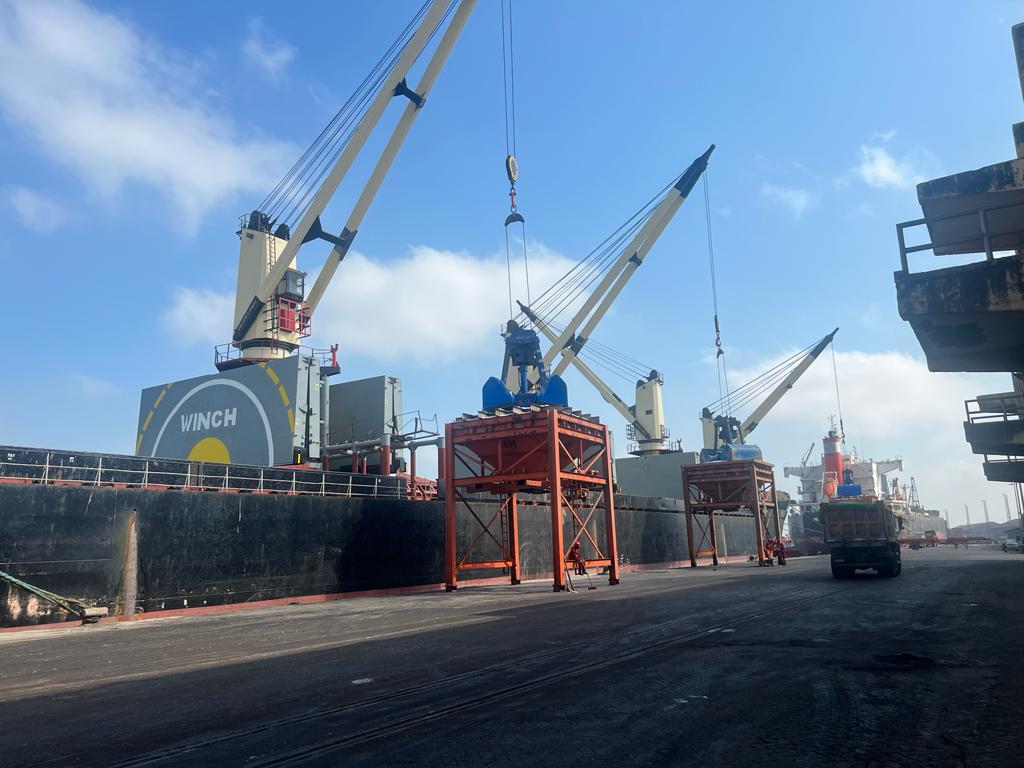
Rwandan principals compare Mombasa and Dar es Salaam on every cargo, and the desk quotes both so that the decision is made on the port's current position, not on habit. That is why Maingate Shipping runs a corridor desk for Rwanda rather than treating its cargo as a footnote to a port call: the gateways are Mombasa, Dar es Salaam, the cargoes are fuel, fertilizer, construction materials, vehicles, food staples and equipment for the mining and construction sectors inbound and coffee, tea, tin, tantalum and tungsten concentrates outbound, and the file has to hold together from the ship's rail to the border.
Regime and formalities: Rwanda clears cargo at the coast under the East African Community single customs territory, and the Kigali logistics platform receives containers under bond.
Principals in Kigali receive the same reports as the vessel's owner, in the same style, from one desk.
Rwanda's gateways, and what each is for. Dar es Salaam: the Central Corridor through Tanzania, about 1,400 kilometres, and the route most Rwandan bulk cargo now uses. Mombasa: the Northern Corridor through Uganda, about 1,700 kilometres by road.
The desk quotes the options for each cargo on current port and border conditions, and the principal chooses on cost and time rather than on habit.
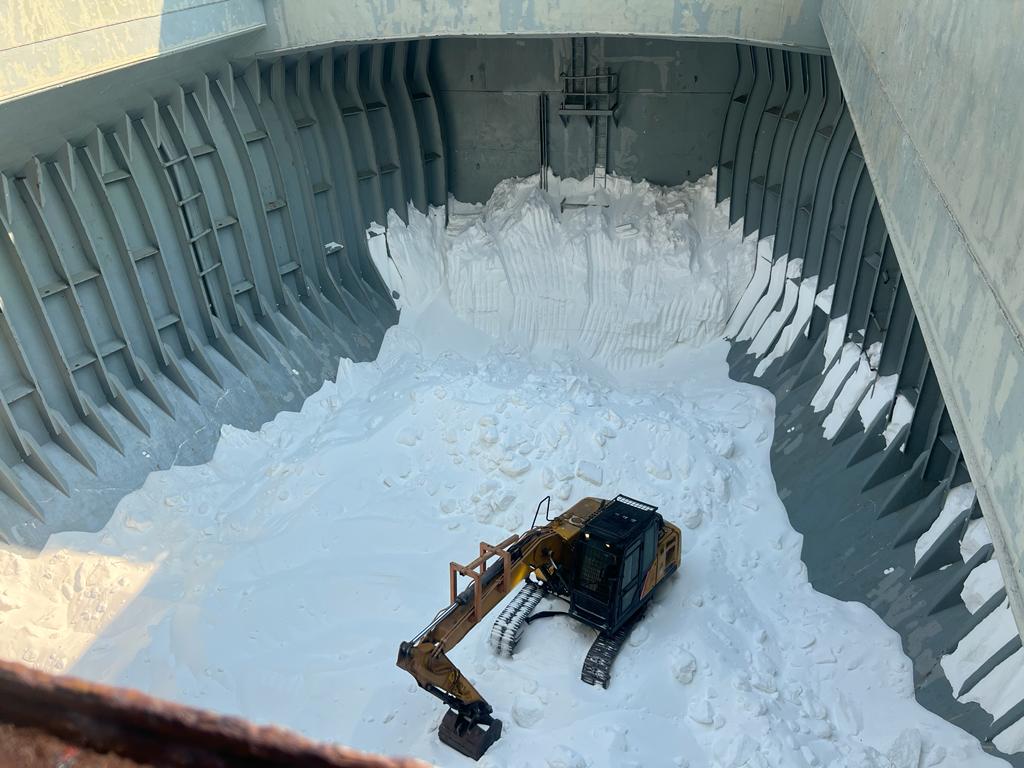
Imports for Rwanda are fuel, fertilizer, construction materials, vehicles, food staples and equipment for the mining and construction sectors, and most of them arrive in bulk or in bags on vessels the desk attends at the gateway. Discharge is planned with the receiver's forwarder, the bond is lodged and the haulage booked to the rate the berth can deliver.
The inland office receives the daily figures and the out-turn as the receiver's clearing agent does.

Outbound, Rwanda ships coffee, tea, tin, tantalum and tungsten concentrates. Export documents, loading supervision, mate's receipts and bills of lading are handled at the loading port, and vessel nominations are timed to the producer's programme and the corridor's delivery to the quay.
Where the shipper needs tonnage, the chartering desk fixes it and the same file runs from fixture to sailing.

Rwandan principals compare Mombasa and Dar es Salaam on every cargo, and the desk quotes both so that the decision is made on the port's current position, not on habit. The regime that governs the paperwork: Rwanda clears cargo at the coast under the East African Community single customs territory, and the Kigali logistics platform receives containers under bond.
The desk reports to the principal at each stage: arrival, discharge, bond, departure from the port, border crossing.
Through Mombasa, Dar es Salaam, each with its own corridor, and the desk coordinates the call at whichever one the cargo uses.
Yes. The desk prices the port call and the corridor for each option on current conditions.
Yes, with reporting to the agency's standard from discharge to the border.
Yes. The chartering desk fixes the tonnage and the agency desk attends the call, on one file.
Nominate Maingate Shipping and the answer comes from Mombasa with a proforma DA attached.
The gateways for Rwanda and the desks that move its cargo.
Also on maingateshipping.com: Ship agency at Mombasa · Ship agency and charter brokers · Ship brokerage · About Maingate · Contact
Maingate Shipping Limited · Express Building, Moi Avenue, Mombasa, Kenya · ops@maingateshipping.com · +254 784 622 091