Landlocked principals
Every Malian shipment is a corridor decision before it is a ship. Maingate Shipping's desk compares the gateways, coordinates the port call at the one chosen and follows the cargo to the border, reporting to Bamako throughout.
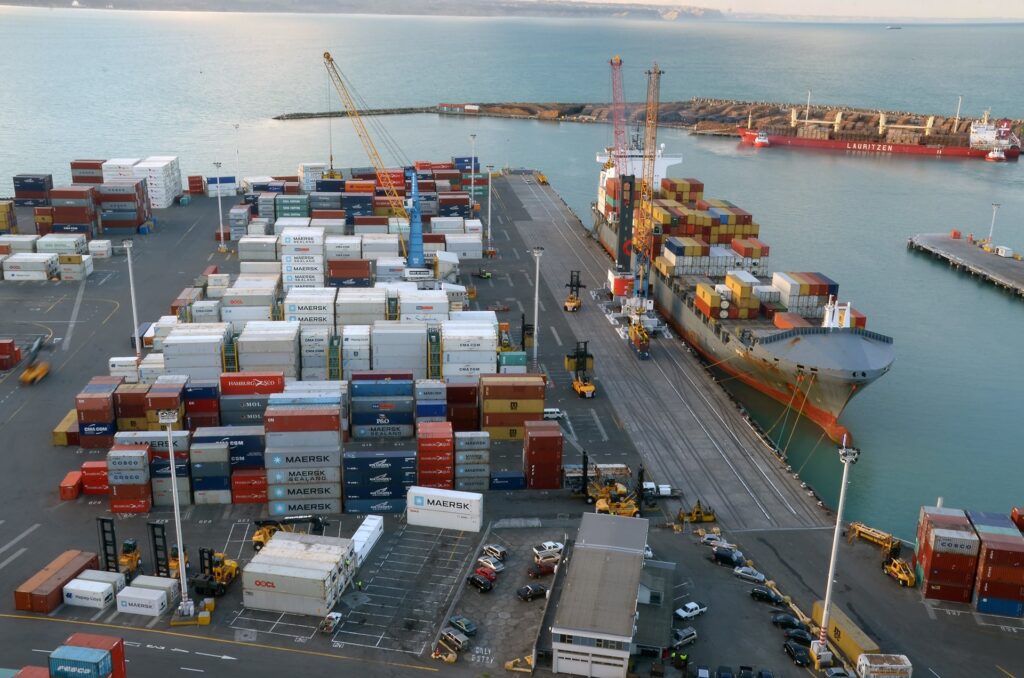
Corridor choice for Mali changes with security and border conditions, and the desk quotes the available routes rather than assuming one. That is why Maingate Shipping runs a corridor desk for Mali rather than treating its cargo as a footnote to a port call: the gateways are Dakar, Abidjan, Conakry, Lomé, the cargoes are fuel, cement, food staples, fertilizer and mining equipment inbound and cotton, livestock and gold, the last by air outbound, and the file has to hold together from the ship's rail to the border.
Regime and formalities: Malian cargo moves under West African transit arrangements with bonds lodged at the port and escorted convoys on some routes.
Principals in Bamako receive the same reports as the vessel's owner, in the same style, from one desk.
Each gateway has its own desk with the port's facts. Dakar: the Dakar–Bamako road and rail corridor, the historic route. Abidjan: the Abidjan corridor, used for a large share of Malian imports. Conakry: the Conakry road, shorter for western Mali. Lomé: the Lomé and Tema corridors as alternatives.
Where a cargo can use more than one, the desk prices both and says which it would choose and why.

Imports for Mali are fuel, cement, food staples, fertilizer and mining equipment, and most of them arrive in bulk or in bags on vessels the desk attends at the gateway. Discharge is planned with the receiver's forwarder, the bond is lodged and the haulage booked to the rate the berth can deliver.
The inland office receives the daily figures and the out-turn as the receiver's clearing agent does.

The outbound side of Mali's trade is cotton, livestock and gold, the last by air, and it lives or dies on the timing between the corridor and the ship. The desk fixes or attends the vessel, supervises loading and issues the documents.
Exporters receive the loading report and the bills of lading through the same desk that handled their imports.

Documents on the Mali corridor: Malian cargo moves under West African transit arrangements with bonds lodged at the port and escorted convoys on some routes. Getting them right before discharge is the difference between cargo that leaves the port as it lands and cargo that pays storage while a form is corrected.
And the fact behind every Malian shipment: corridor choice for Mali changes with security and border conditions, and the desk quotes the available routes rather than assuming one.

At Mombasa and Lamu with its own staff; at the other gateways through partner agents under Maingate's instruction, with coordination and reporting from Mombasa.
Vessel nominations timed to the programme, loading supervision, export documents and bills of lading through one contact.
Port charges, haulage and clearing at cost with receipts, plus the agreed agency and coordination fees, in one account per shipment.
Planned as one voyage with a DA per port and consistent documents.
Nominate Maingate Shipping and the answer comes from Mombasa with a proforma DA attached.
The gateways for Mali and the desks that move its cargo.
Also on maingateshipping.com: Ship agency at Mombasa · Ship agency and charter brokers · Ship brokerage · About Maingate · Contact
Maingate Shipping Limited · Express Building, Moi Avenue, Mombasa, Kenya · ops@maingateshipping.com · +254 784 622 091