Crew movements
For capesize bulk carriers and every other vessel calling Saldanha Bay, the crew change is a movement Maingate Shipping plans end to end: immigration, airport, transfer, launch, hotel and the prompt report. Partner agent on the ground, Mombasa desk in charge.

Seafarers join and leave at Saldanha Bay through Cape Town International Airport, about two hours by road, and the movement is workable when it is planned ahead. Maingate Shipping handles the immigration formalities, the airport, the transfer to the gangway and the hotel if the timings do not meet, and reports every movement to the owner with times and costs.
Saldanha Bay is the largest natural harbour in South Africa, on the west coast north of Cape Town, and the deepest port in the country, and the ore terminal's loading programme sets the line-up for the largest vessels, and rig and offshore unit repairs use the port's sheltered water and deep draft; the crew plan is built with that in mind, so that a launch is not booked into a swell or a flight into a berth window that will not hold.
Crewing agencies, technical managers and owners under charter all place crew movements here; the desk acts for whoever instructs it and keeps that party's account separate.
Movements at Saldanha Bay run through Cape Town International Airport, about two hours by road. Joiners are met at the aircraft door where the airport allows it and at arrivals where it does not, and are through immigration and on the road without delay when the file was filed in advance. Leavers go the other way with their sign-off papers in hand.
Flight bookings track the vessel, not the other way round: options are held and changed as the ETA firms up, and the owner is told the cost of each change.

Every nationality on the crew list is checked against the current rules at Saldanha Bay before a ticket is bought: who gets a visa on arrival, who needs one in advance, who transits on the agent's letter of guarantee alone. The crew list, passports and seaman's books are sent to immigration with the letter of guarantee ahead of the movement.
Shore passes are arranged for crew going ashore, and the boarding officer carries the port passes the movement needs.

At berth the movement is a walk from the gate to the gangway. At the anchorage, a licensed launch is booked for daylight and acceptable weather, and the pilot ladder and the vessel's own arrangements are confirmed with the master beforehand. Where a flight lands after the last launch, a hotel near the port is booked and the transfer runs at first light.
Where the vessel is not entering port, the desk advises whether an off-port-limits change is workable at Saldanha Bay or better made at the next port on the route.

Sick or injured crew are taken to hospital with an agent's representative, the owner and the P&I club are informed promptly, and repatriation with a medical escort is arranged when the doctor allows travel. Replacement seafarers are arranged in parallel from Kenya through our crewing desk so that the vessel does not sail short.
Every movement is reported to the owner with the times, the names and the costs, and the receipts follow in the DA.
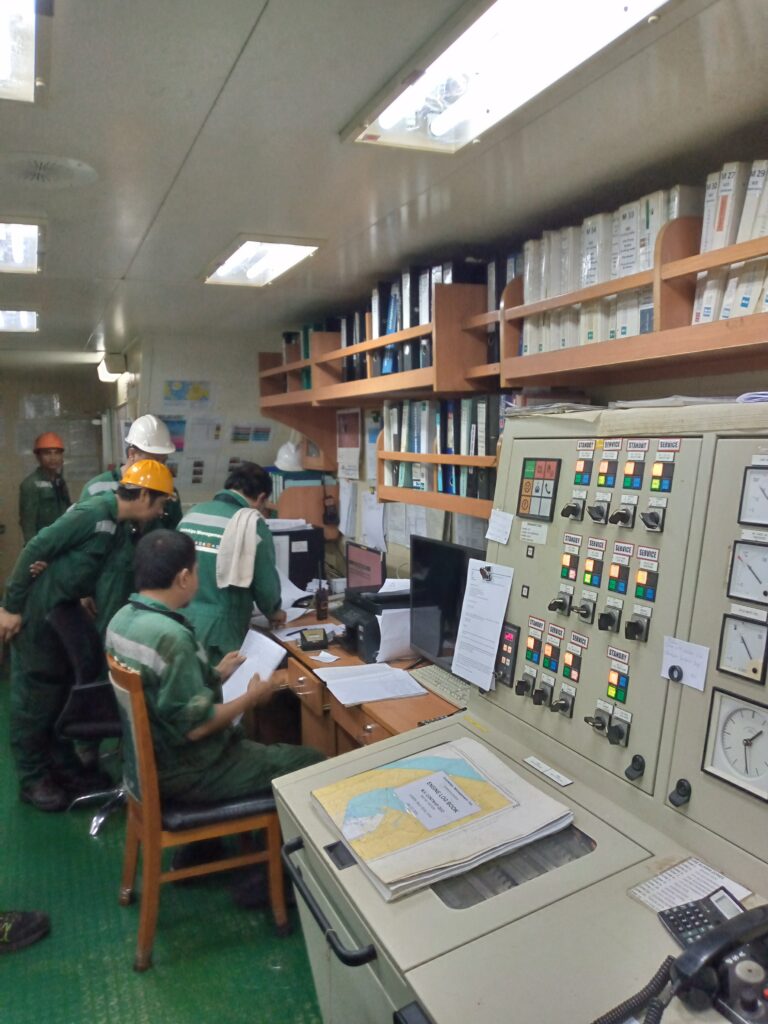
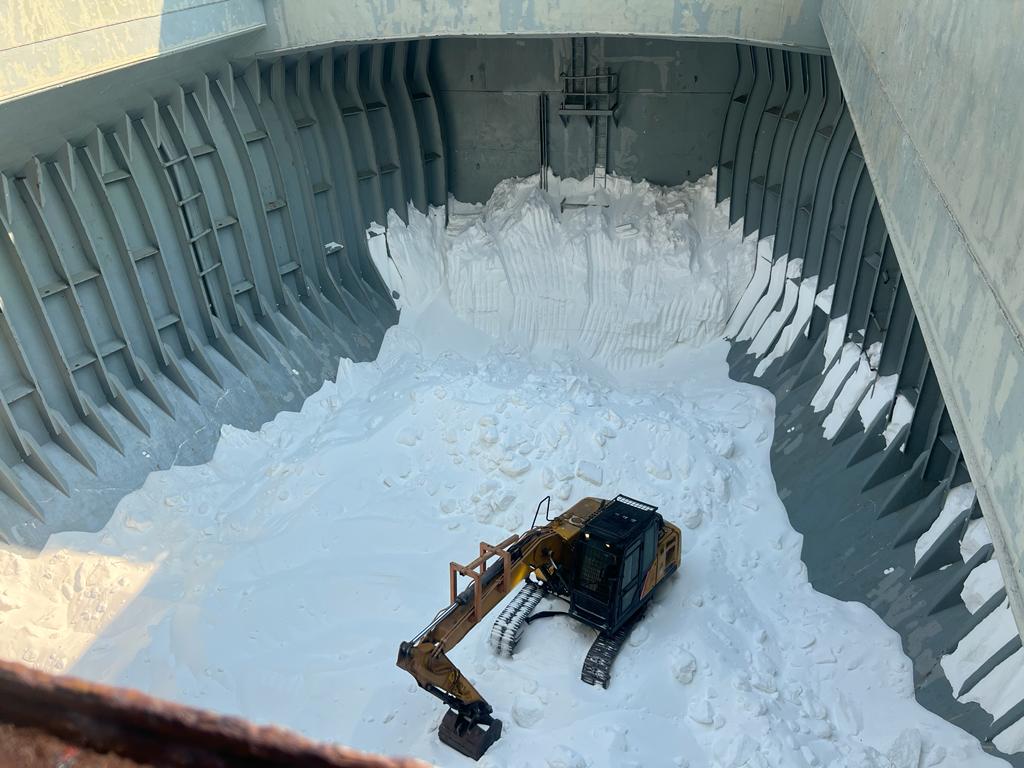
Who changes crew at Saldanha Bay: capesize bulk carriers, crude tankers, offshore units and rigs, general cargo ships and fishing vessels, in the trades of iron ore in capesize lots outbound, crude oil inbound, and steel, fish and oil and gas project cargo both ways. Their rotations differ, so the desk asks the manager for the rotation calendar and works from it, rather than treating every movement as a surprise.
Berth or anchorage decides the last mile; Saldanha Bay's working areas are the iron ore export terminal fed by rail from the Northern Cape, the crude oil terminal, the multipurpose quay, the offshore and rig repair jetty in the industrial zone, and the fishing harbour.
It is workable. The airport is Cape Town International Airport, about two hours by road, and the port accepts crew movements with the formalities filed ahead.
The owner or manager who instructs the desk; costs are itemised with receipts in a separate crew account or in the DA, and each movement is reported promptly.
Yes. Owners place crew movements with the desk as protecting agent while the charterer's agent handles the cargo.
Yes. Kenyan officers and ratings with verified documents are placed through the Mombasa crewing desk and delivered to the joining port.
Receipts behind every line, a record behind every stoppage, a desk behind every call.
Crew work sits with port agency and crew management on the same desk.
Also on maingateshipping.com: Ship agency at Mombasa · Ship agency and charter brokers · Ship brokerage · About Maingate · Contact
Maingate Shipping Limited · Express Building, Moi Avenue, Mombasa, Kenya · ops@maingateshipping.com · +254 784 622 091