
Joiners and leavers
Joining and leaving crew at Port Sudan, Sudan, move through Port Sudan New International Airport to the gangway or the launch on one instruction to Maingate Shipping, with the file cleared before the flight is bought. Attendance is by our partner agent under Maingate's instruction; the Mombasa desk plans the movement and reports it.
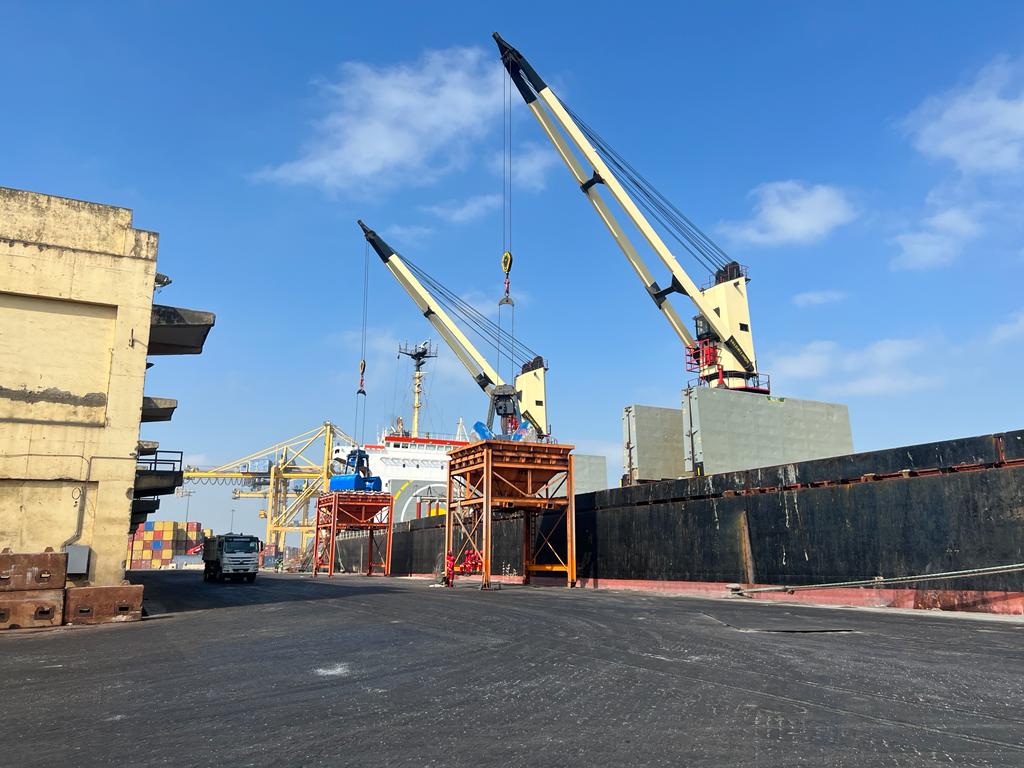
Seafarers join and leave at Port Sudan through Port Sudan New International Airport, and the movement is workable when it is planned ahead. Maingate Shipping handles the immigration formalities, the airport, the transfer to the gangway and the hotel if the timings do not meet, and reports every movement to the owner with times and costs.
Port Sudan is Sudan's principal port on the Red Sea, and operating conditions in Sudan change, so berth availability, working hours and crew movement are confirmed at the time of nomination rather than assumed; the crew plan is built with that in mind, so that a launch is not booked into a swell or a flight into a berth window that will not hold.
Crewing agencies, technical managers and owners under charter all place crew movements here; the desk acts for whoever instructs it and keeps that party's account separate.
The airport for Port Sudan is Port Sudan New International Airport. Joining crew are met on arrival, taken through immigration on the agent's pre-notification, and driven to the port or the launch pier. Leaving crew are collected from the gangway, taken through immigration with their sign-off documents and checked in for their flight.
Flights are held until the ETA is firm and rebooked without fuss when the vessel slips; a crew change fixed to an optimistic ETA is the commonest way a movement fails.
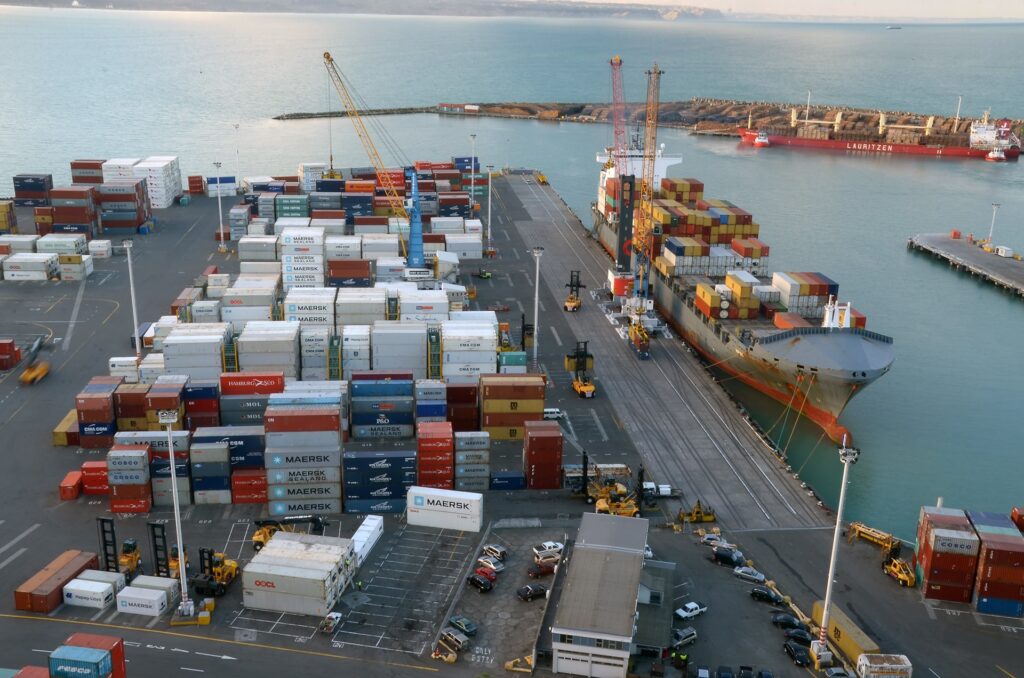
The file that makes a crew change at Port Sudan work: passports valid for the period immigration requires, seaman's books or seafarer identity documents, the vessel's crew list with the joiners and leavers marked, the letter of guarantee from the agent, and the visa position for each nationality confirmed with immigration for this movement, not assumed from the last one.
The desk files the notification before the flight lands so that the seafarer is expected at the desk rather than explained at it.

Berth changes at Port Sudan are simple: the agent's vehicle, the gate pass, the gangway. Anchorage changes need a launch, daylight, a sea state the launch operator accepts and a pilot ladder rigged to the master's satisfaction. The desk books the launch against the tide and the weather and tells the master the time it will be alongside.
When the aircraft and the launch cannot meet, a hotel room near the port bridges the gap and the movement runs at first light. Where the vessel is not entering port, the desk advises whether an off-port-limits change is workable at Port Sudan or better made at the next port on the route.

A seafarer landed sick at Port Sudan is taken to hospital by the desk's representative, admitted against the owner's or the club's guarantee, and reported on daily until discharged or repatriated with a fit-to-fly certificate and, where required, a medical escort. The replacement is arranged from the Kenyan pool while the case runs.
Times, names and costs go to the owner promptly; receipts follow with the account.
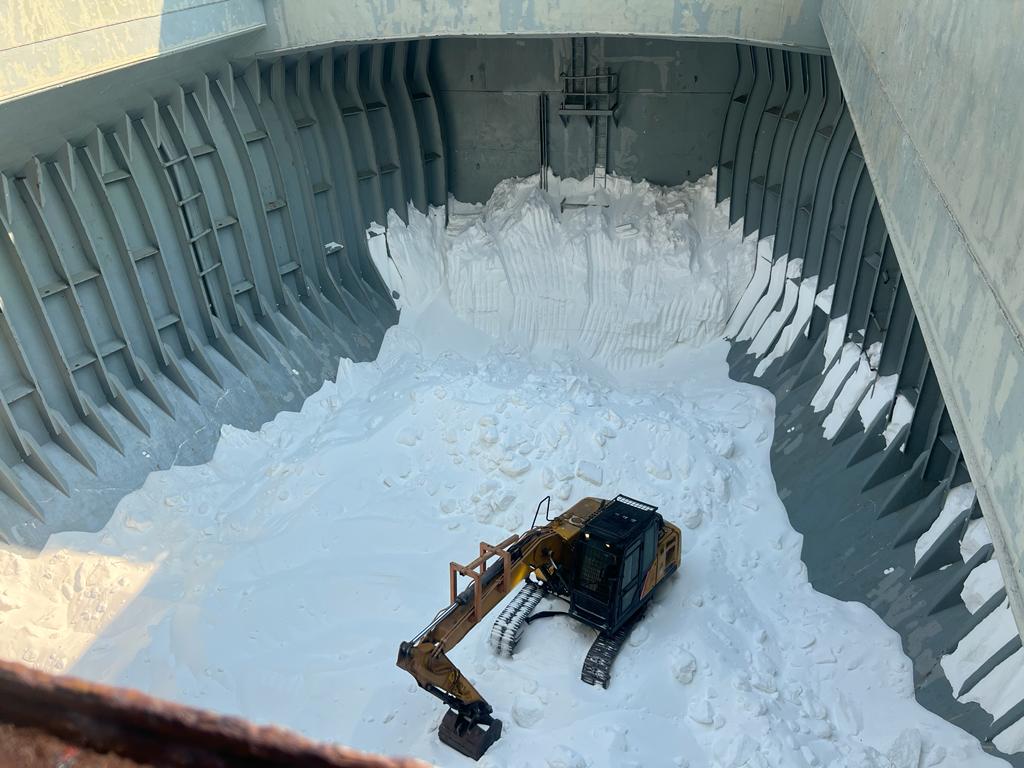
Who changes crew at Port Sudan: bulk carriers, general cargo ships, tankers, livestock carriers and container ships, in the trades of wheat, fuel, sugar and containers inbound, with sesame, gum arabic, livestock and cotton outbound. Their rotations differ, so the desk asks the manager for the rotation calendar and works from it, rather than treating every movement as a surprise.
Berth or anchorage decides the last mile; Port Sudan's working areas are the container terminal, the general cargo and bulk berths, and the oil terminal south of the city.

The crew list marked with joiners and leavers, valid passports, seaman's books or seafarer identity documents, the agent's letter of guarantee and, for some nationalities, a visa obtained in advance or pre-notified for arrival.
The desk confirms with the port and the launch operator; where it is not workable the change is planned for the berth or the next port.
Through Port Sudan New International Airport, with the desk meeting joiners on arrival and seeing leavers through immigration and check-in.
The desk books a hotel near the port, keeps the crew informed, and moves them to the vessel as soon as she is alongside or at anchor.
One instruction, one account, one contact for the master and one for the principal.
Desks that usually follow a Port Sudan crew change.
Also on maingateshipping.com: Ship agency at Mombasa · Ship agency and charter brokers · Ship brokerage · About Maingate · Contact
Maingate Shipping Limited · Express Building, Moi Avenue, Mombasa, Kenya · ops@maingateshipping.com · +254 784 622 091