
Joiners and leavers
Maingate Shipping arranges crew changes at Luanda for owners, managers and crewing agencies: immigration formalities, airport meet and transfer through the new international airport serving Luanda, with the older airport still handling some flights, launches where the vessel lies at anchor, and hotels when flights and vessels do not line up. Our partner agent at the port attends the movement under Maingate's instruction; the Mombasa desk plans and reports.
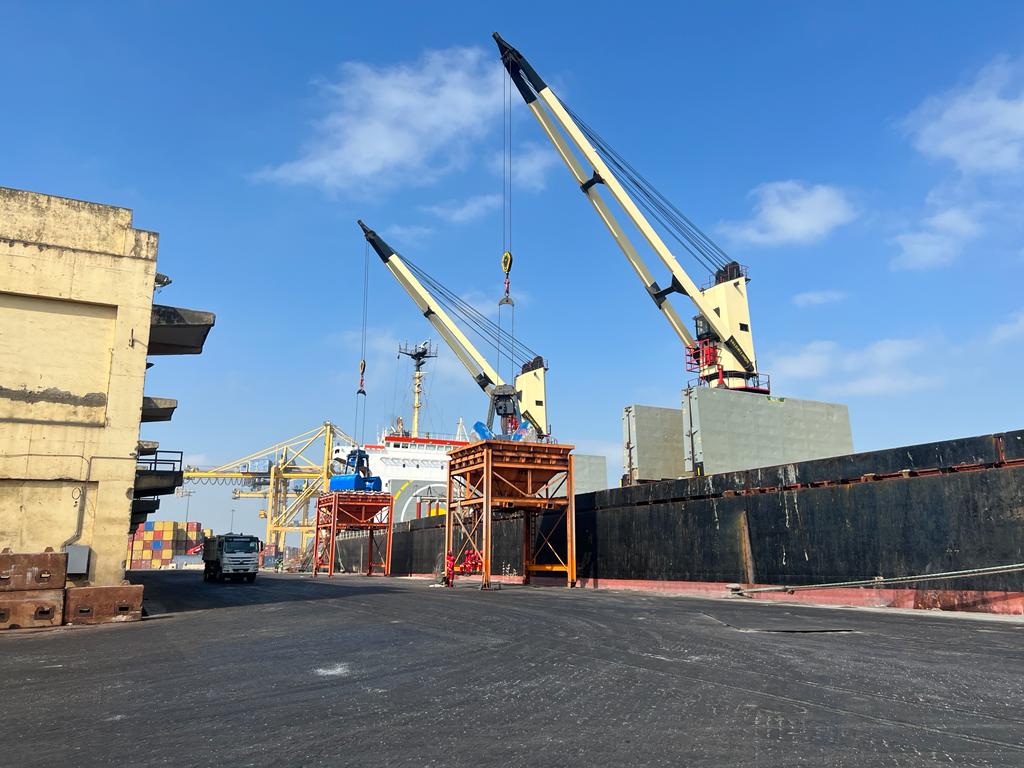
For vessels calling Luanda, the crew change is planned before the cargo is: flights are held until the ETA is firm, immigration is pre-notified, and the joining crew are met at the new international airport serving Luanda and taken to the gangway or the launch. Off-port-limits changes for vessels in transit are done the same way, without the vessel entering the port.
The port's geography matters: Luanda Bay on the Angolan coast, the country's main gateway for imports. So does the fact that anchorage waiting has historically been long, so berth prospects are checked before the vessel commits to an arrival time.
Every movement is confirmed in writing before the seafarer travels and reported promptly it happens.
The new international airport serving Luanda is the door for crew at Luanda. The desk's driver waits at arrivals with the vessel's name, walks the joiners through immigration on the pre-notification already filed, and brings them to the port gate or the launch. For leavers, the same driver collects them at the gangway and sees them through immigration and check-in.
Nobody buys a ticket until the vessel's schedule is firm; the desk holds options and rebooks when the ETA moves, which it usually does.

Immigration at Luanda expects the crew list showing joiners and leavers, passports with adequate validity, seaman's books or seafarer identity documents, and the agent's letter of guarantee. Nationalities that need a visa are pre-notified or obtain it in advance where the rules require; the desk confirms the current position for each crew list rather than relying on a matrix that may be out of date.
Shore passes for crew going ashore during the call and gate passes for the agent's vehicle are issued through the port.
Berth changes at Luanda are simple: the agent's vehicle, the gate pass, the gangway. Anchorage changes need a launch, daylight, a sea state the launch operator accepts and a pilot ladder rigged to the master's satisfaction. The desk books the launch against the tide and the weather and tells the master the time it will be alongside.
When the aircraft and the launch cannot meet, a hotel room near the port bridges the gap and the movement runs at first light. Off-port-limits crew changes for vessels in transit are done outside the port, with the vessel slowing to take the launch alongside and resuming passage within a couple of hours.
A seafarer landed sick at Luanda is taken to hospital by the desk's representative, admitted against the owner's or the club's guarantee, and reported on daily until discharged or repatriated with a fit-to-fly certificate and, where required, a medical escort. The replacement is arranged from the Kenyan pool while the case runs.
Times, names and costs go to the owner promptly; receipts follow with the account.

Luanda sees container ships, general cargo ships, bulk carriers, tankers and offshore supply vessels. The desk plans a two-person officer swap on a bulk carrier and a twenty-person rotation on a purse seiner with the same file discipline, scaled to the numbers: more vehicles, more hotel rooms, a larger launch, and immigration warned of the size of the movement.
The port's working areas are the container terminals, the multipurpose terminal and the offshore supply bases that serve Angola's oil industry, and the gate the crew use depends on the berth the vessel is given.

The crew list marked with joiners and leavers, valid passports, seaman's books or seafarer identity documents, the agent's letter of guarantee and, for some nationalities, a visa obtained in advance or pre-notified for arrival.
Yes, by launch in daylight when the sea state allows.
Through the new international airport serving Luanda, with the older airport still handling some flights, with the desk meeting joiners on arrival and seeing leavers through immigration and check-in.
The desk books a hotel near the port, keeps the crew informed, and moves them to the vessel as soon as she is alongside or at anchor.
Receipts behind every line, a record behind every stoppage, a desk behind every call.
The port call, the crew desk and the guides, one instruction line.
Also on maingateshipping.com: Ship agency at Mombasa · Ship agency and charter brokers · Ship brokerage · About Maingate · Contact
Maingate Shipping Limited · Express Building, Moi Avenue, Mombasa, Kenya · ops@maingateshipping.com · +254 784 622 091