Crew movements
Joining and leaving crew at Lamu, Kenya, move through Manda Airport to the gangway or the launch on one instruction to Maingate Shipping, with the file cleared before the flight is bought. Our own staff run it.

For vessels calling Lamu, the crew change is planned before the cargo is: flights are held until the ETA is firm, immigration is pre-notified, and the joining crew are met at Manda Airport and taken to the gangway or the launch. Where the vessel will not be entering the port, the desk advises whether the change is better made here or at the next port on the route.
The port's geography matters: Manda Bay on Kenya's northern coast, where the new deep-water berths at Kililana were built under the LAPSSET programme. So does the fact that services at Lamu are thinner than at Mombasa, so provisions, spares and specialist contractors are usually brought up from Mombasa by road or sea.
Every movement is confirmed in writing before the seafarer travels and reported promptly it happens.
Movements at Lamu run through Manda Airport, with connections through Nairobi. Joiners are met at the aircraft door where the airport allows it and at arrivals where it does not, and are through immigration and on the road without delay when the file was filed in advance. Leavers go the other way with their sign-off papers in hand.
Flight bookings track the vessel, not the other way round: options are held and changed as the ETA firms up, and the owner is told the cost of each change.

Immigration at Lamu expects the crew list showing joiners and leavers, passports with adequate validity, seaman's books or seafarer identity documents, and the agent's letter of guarantee. Nationalities that need a visa are pre-notified or obtain it in advance where the rules require; the desk confirms the current position for each crew list rather than relying on a matrix that may be out of date.
Shore passes for crew going ashore during the call and gate passes for the agent's vehicle are issued through the port.
Berth changes at Lamu are simple: the agent's vehicle, the gate pass, the gangway. Anchorage changes need a launch, daylight, a sea state the launch operator accepts and a pilot ladder rigged to the master's satisfaction. The desk books the launch against the tide and the weather and tells the master the time it will be alongside.
When the aircraft and the launch cannot meet, a hotel room near the port bridges the gap and the movement runs at first light. Where the vessel is not entering port, the desk advises whether an off-port-limits change is workable at Lamu or better made at the next port on the route.
Medical cases at Lamu follow one rule: the seafarer sees a doctor first and the paperwork follows. Hospital, guarantee, daily reports to owner and club, fit-to-fly certificate, escort and flight home are the desk's work; the vessel's schedule is kept by arranging a replacement in parallel.
The owner receives a prompt report of each movement, and the DA carries the receipts.

Who changes crew at Lamu: container feeders, bulk carriers, project vessels and naval vessels, in the trades of transshipment containers, project cargo for the corridor works, and the first bulk and general cargo calls. Their rotations differ, so the desk asks the manager for the rotation calendar and works from it, rather than treating every movement as a surprise.
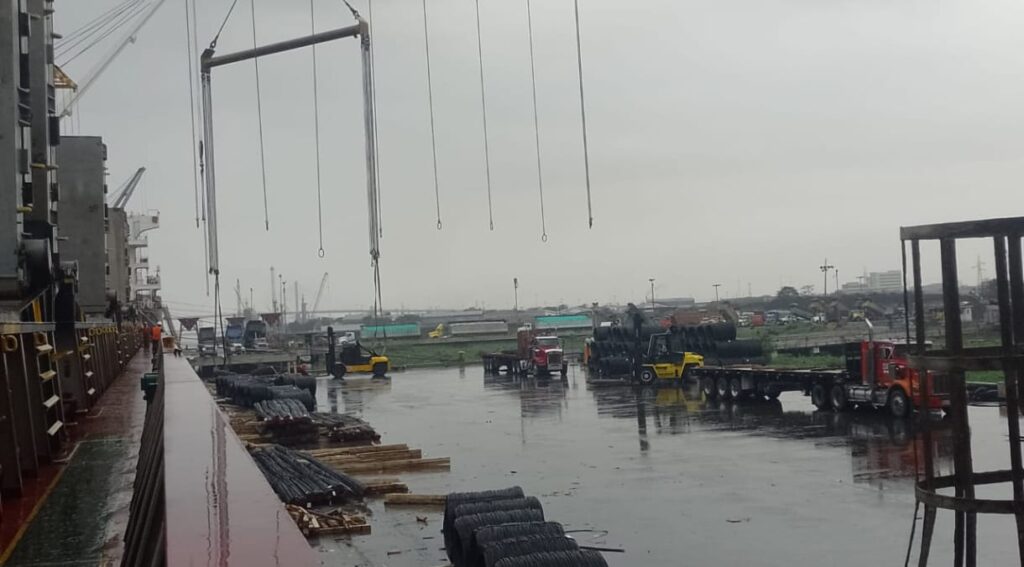
Berth or anchorage decides the last mile; Lamu's working areas are three long berths designed for deep-draft vessels, with transshipment and bulk handling still building volume.

It is workable. The airport is Manda Airport, with connections through Nairobi, and the port accepts crew movements with the formalities filed ahead.
The owner or manager who instructs the desk; costs are itemised with receipts in a separate crew account or in the DA, and each movement is reported promptly.
Yes. Owners place crew movements with the desk as protecting agent while the charterer's agent handles the cargo.
Yes. Kenyan officers and ratings with verified documents are placed through the Mombasa crewing desk and delivered to the joining port.
Receipts behind every line, a record behind every stoppage, a desk behind every call.
Crew work sits with port agency and crew management on the same desk.
Also on maingateshipping.com: Ship agency at Mombasa · Ship agency and charter brokers · Ship brokerage · About Maingate · Contact
Maingate Shipping Limited · Express Building, Moi Avenue, Mombasa, Kenya · ops@maingateshipping.com · +254 784 622 091