
Crew logistics
Joining and leaving crew at Freetown, Sierra Leone, move through Freetown International Airport at Lungi to the gangway or the launch on one instruction to Maingate Shipping, with the file cleared before the flight is bought. Attendance is by our partner agent under Maingate's instruction; the Mombasa desk plans the movement and reports it.
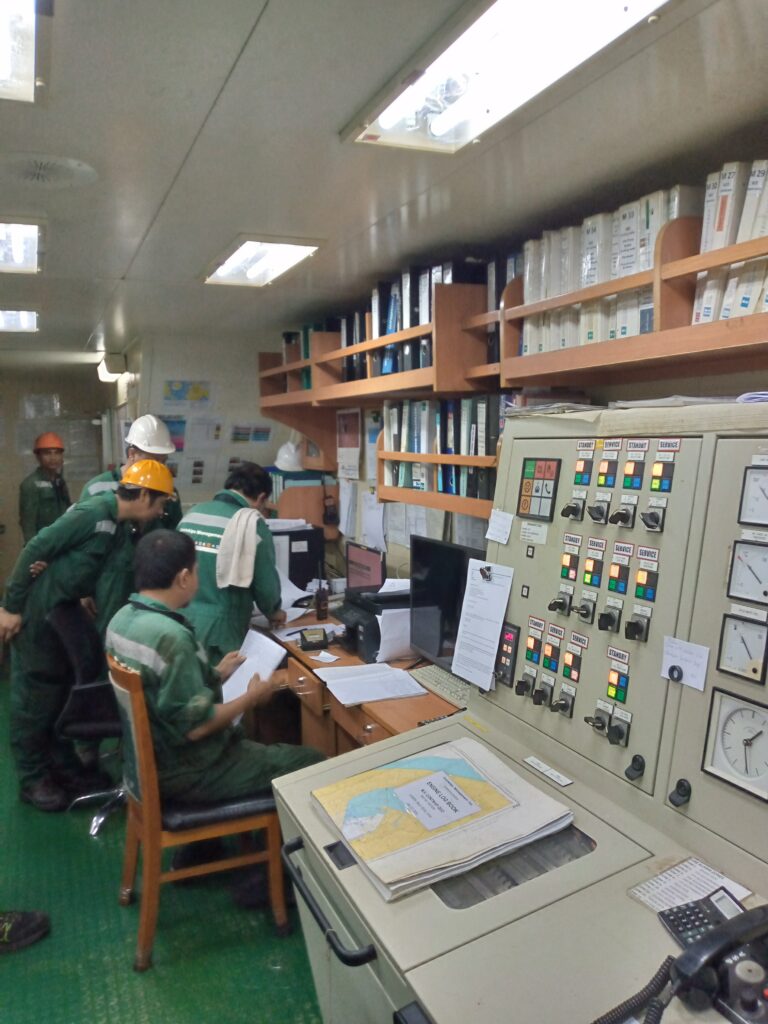
Crew change at Freetown is feasible with planning: the airport is Freetown International Airport at Lungi, reached across the estuary, and the port accepts crew changes with the immigration formalities filed ahead. What decides whether the change goes smoothly is the file: passports, seaman's books, the crew list, the agent's letter of guarantee and the visa position for each nationality, all confirmed before the flight is bought.
Maingate Shipping runs the crew change whether or not we are the cargo agent for the call. Managers who use a charterer's agent for the cargo place the crew movement with us as protecting agent, so that the owner controls the arrangement and the account.
A note on Freetown itself: the airport is across the estuary from the city, so crew movements are timed to the water taxi and ferry schedule. The crew plan takes account of it.
The airport for Freetown is Freetown International Airport at Lungi, reached across the estuary. Joining crew are met on arrival, taken through immigration on the agent's pre-notification, and driven to the port or the launch pier. Leaving crew are collected from the gangway, taken through immigration with their sign-off documents and checked in for their flight.
Flights are held until the ETA is firm and rebooked without fuss when the vessel slips; a crew change fixed to an optimistic ETA is the commonest way a movement fails.

The file that makes a crew change at Freetown work: passports valid for the period immigration requires, seaman's books or seafarer identity documents, the vessel's crew list with the joiners and leavers marked, the letter of guarantee from the agent, and the visa position for each nationality confirmed with immigration for this movement, not assumed from the last one.
The desk files the notification before the flight lands so that the seafarer is expected at the desk rather than explained at it.
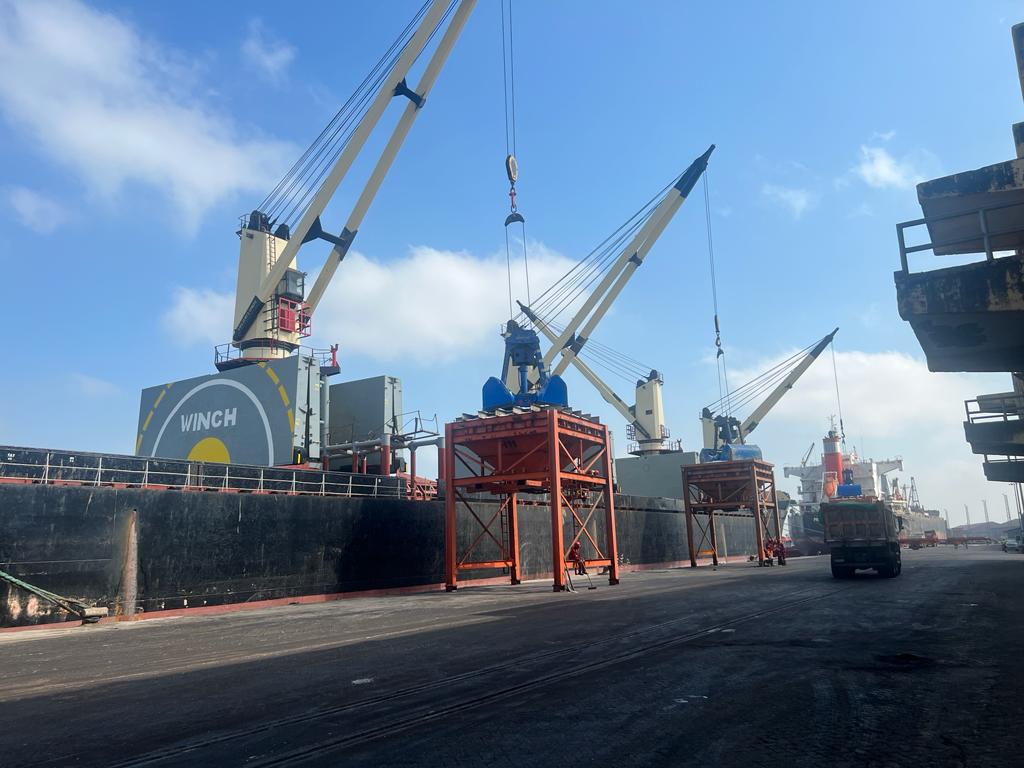
The last mile at Freetown is the gangway or the launch. Alongside, the boarding officer walks the crew through the gate. At anchor, the launch goes out in daylight with the joiners and comes back with the leavers, and the desk confirms the ladder, the lee side and the timing with the master before it sails.
Where the vessel is not entering port, the desk advises whether an off-port-limits change is workable at Freetown or better made at the next port on the route. Hotels near the port are used when flights land after the last launch.
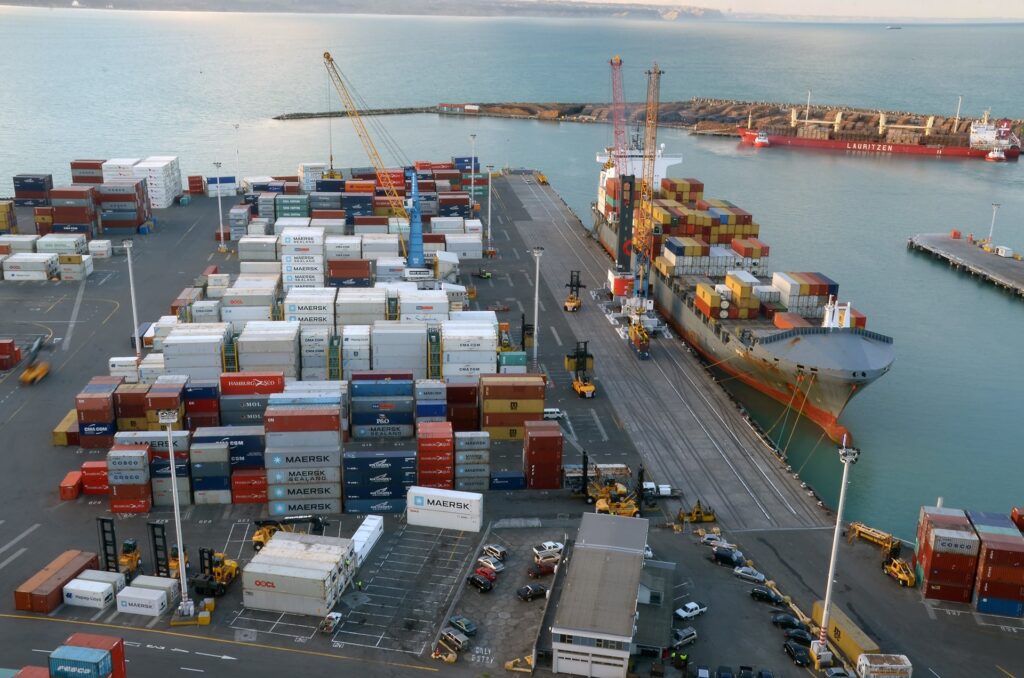
Medical cases at Freetown follow one rule: the seafarer sees a doctor first and the paperwork follows. Hospital, guarantee, daily reports to owner and club, fit-to-fly certificate, escort and flight home are the desk's work; the vessel's schedule is kept by arranging a replacement in parallel.
The owner receives a prompt report of each movement, and the DA carries the receipts.

Freetown sees container ships, general cargo ships, bulk carriers and tankers. The desk plans a two-person officer swap on a bulk carrier and a twenty-person rotation on a purse seiner with the same file discipline, scaled to the numbers: more vehicles, more hotel rooms, a larger launch, and immigration warned of the size of the movement.
The port's working areas are the container and general cargo terminal at the Queen Elizabeth II quay, the oil jetty and the ore terminals up the estuary, and the gate the crew use depends on the berth the vessel is given.
It is workable. The airport is Freetown International Airport at Lungi, reached across the estuary, and the port accepts crew movements with the formalities filed ahead.
The owner or manager who instructs the desk; costs are itemised with receipts in a separate crew account or in the DA, and each movement is reported promptly.
Yes. Owners place crew movements with the desk as protecting agent while the charterer's agent handles the cargo.
Yes. Kenyan officers and ratings with verified documents are placed through the Mombasa crewing desk and delivered to the joining port.
One instruction, one account, one contact for the master and one for the principal.
Crew work sits with port agency and crew management on the same desk.
Also on maingateshipping.com: Ship agency at Mombasa · Ship agency and charter brokers · Ship brokerage · About Maingate · Contact
Maingate Shipping Limited · Express Building, Moi Avenue, Mombasa, Kenya · ops@maingateshipping.com · +254 784 622 091