Crew logistics
Joining and leaving crew at Cape Town, South Africa, move through Cape Town International Airport to the gangway or the launch on one instruction to Maingate Shipping, with the file cleared before the flight is bought. Attendance is by our partner agent under Maingate's instruction; the Mombasa desk plans the movement and reports it.
Seafarers join and leave at Cape Town through Cape Town International Airport, twenty-five minutes from the port, and the movement is routine when the file is right. Maingate Shipping handles the immigration formalities, the airport, the transfer to the gangway and the hotel if the timings do not meet, and reports every movement to the owner with times and costs.
Cape Town is Table Bay at the south-western tip of Africa, on the Cape sea route, and winter swell and south-easterly winds delay berthing and cargo work, and the port serves as a repair and supply stop for fishing fleets, offshore units and vessels rounding the Cape; the crew plan is built with that in mind, so that a launch is not booked into a swell or a flight into a berth window that will not hold.
Crewing agencies, technical managers and owners under charter all place crew movements here; the desk acts for whoever instructs it and keeps that party's account separate.
Movements at Cape Town run through Cape Town International Airport, twenty-five minutes from the port. Joiners are met at the aircraft door where the airport allows it and at arrivals where it does not, and are through immigration and on the road without delay when the file was filed in advance. Leavers go the other way with their sign-off papers in hand.
Flight bookings track the vessel, not the other way round: options are held and changed as the ETA firms up, and the owner is told the cost of each change.

Immigration at Cape Town expects the crew list showing joiners and leavers, passports with adequate validity, seaman's books or seafarer identity documents, and the agent's letter of guarantee. Nationalities that need a visa are pre-notified or obtain it in advance where the rules require; the desk confirms the current position for each crew list rather than relying on a matrix that may be out of date.
Shore passes for crew going ashore during the call and gate passes for the agent's vehicle are issued through the port.

The last mile at Cape Town is the gangway or the launch. Alongside, the boarding officer walks the crew through the gate. At anchor, the launch goes out in daylight with the joiners and comes back with the leavers, and the desk confirms the ladder, the lee side and the timing with the master before it sails.
Off-port-limits crew changes for vessels in transit are done outside the port, with the vessel slowing to take the launch alongside and resuming passage within a couple of hours. Hotels near the port are used when flights land after the last launch.

Medical cases at Cape Town follow one rule: the seafarer sees a doctor first and the paperwork follows. Hospital, guarantee, daily reports to owner and club, fit-to-fly certificate, escort and flight home are the desk's work; the vessel's schedule is kept by arranging a replacement in parallel.
The owner receives a prompt report of each movement, and the DA carries the receipts.

Cape Town sees container ships, reefer vessels, fishing vessels, tankers, cruise ships, offshore units and research vessels. The desk plans a two-person officer swap on a bulk carrier and a twenty-person rotation on a purse seiner with the same file discipline, scaled to the numbers: more vehicles, more hotel rooms, a larger launch, and immigration warned of the size of the movement.
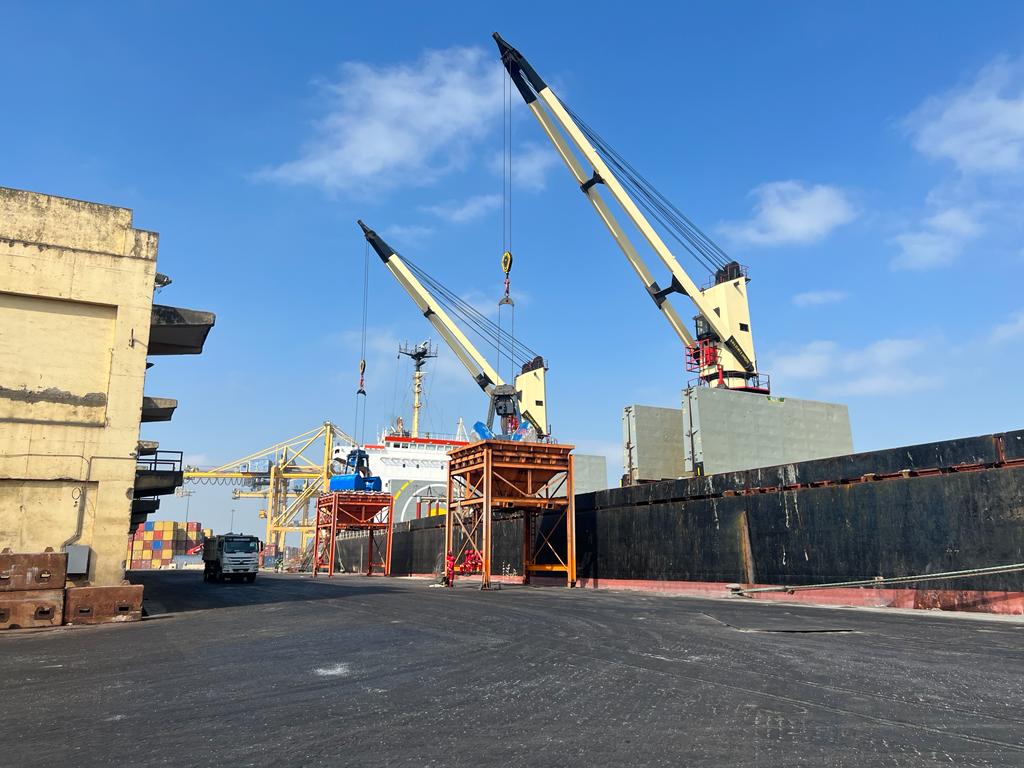
The port's working areas are the container terminal, the multipurpose berths in Duncan Dock, the tanker basin, the ship repair yards with drydock and synchrolift, and the cruise terminal, and the gate the crew use depends on the berth the vessel is given.

A few working days is comfortable for most nationalities once the ETA is firm; longer where a visa must be obtained in advance. The desk confirms the requirement when the crew list is received.
Yes, by licensed launch in daylight and acceptable weather.
Cape Town International Airport, twenty-five minutes from the port.
Yes. Kenyan officers and ratings are placed through our crewing desk in Mombasa with verified documents, and delivered to the vessel at the port of joining.
Receipts behind every line, a record behind every stoppage, a desk behind every call.
The port call, the crew desk and the guides, one instruction line.
Also on maingateshipping.com: Ship agency at Mombasa · Ship agency and charter brokers · Ship brokerage · About Maingate · Contact
Maingate Shipping Limited · Express Building, Moi Avenue, Mombasa, Kenya · ops@maingateshipping.com · +254 784 622 091