Bunker-only agency
A fuel stop at Lomé, Togo, on one instruction: permission, position, barge, surveyor, delivery note and departure, with the crew change and the spares done by the same launch. Partner agent alongside, Mombasa desk coordinating.
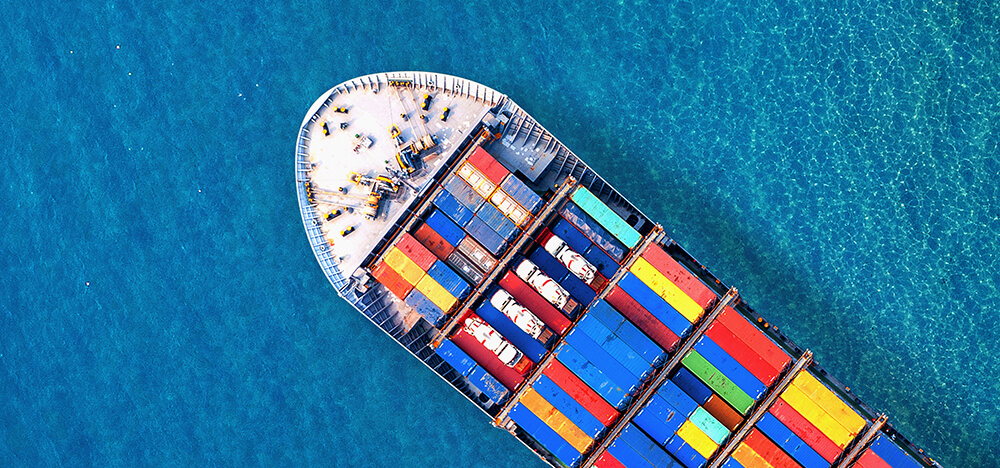
Lomé is the coast of Togo, where a natural deep basin gives the only deep-water port on the Gulf of Guinea that takes the largest container ships without dredging, and Lomé's anchorage is a recognised bunkering and ship-to-ship area for the Gulf of Guinea, and the transshipment terminal keeps berth windows tight. Vessels on passage call for bunkers without loading cargo, and a bunker call is judged by one measure: how long the vessel is off passage. Maingate Shipping's bunker call agency at Lomé is built around that measure.
The desk is appointed by owners, managers, operators and by the bunker traders and suppliers themselves. Where the supplier and the receiving vessel both nominate Maingate, one desk coordinates both sides of the delivery and the vessel receives one account.
Bunker deliveries are where quantity disputes are born. Surveyors for the vessel's interests attend soundings and sampling, the bunker delivery note is witnessed, and any protest is recorded at the time so that the owner has the evidence if the figures are argued later.
A bunker call at Lomé starts with the stem: quantity, grade, supplier and the delivery mode the supplier offers. The desk files the port's notification, applies for the anchorage position or the berth, and fixes the delivery time with the supplier against the vessel's ETA and the weather forecast.
Owners still shopping for fuel are given the names of suppliers and traders serving the port; the desk does not sell fuel and does not take a margin on it.
The transfer at Lomé follows the port's rules for the mode: ship-to-ship at anchorage with a mooring master and fenders, or barge at berth. Weather sets the window, and the desk moves the delivery rather than force it into a sea state the supplier will not work in.
The boarding officer is on deck for the connection and the soundings and stays until the delivery note is signed.

The owner's surveyor sounds the barge before and after, witnesses the sampling and checks the delivery note against the stem. A difference between the barge's figures and the vessel's is protested on the spot, in writing, with the surveyor's figures attached; a protest raised after the barge has gone is a letter, not evidence.
Samples are sealed and their custody recorded, and the desk holds the paperwork with the account.

The desk treats a bunker call at Lomé as an anchorage visit with a purpose, and uses it: crew changes via Gnassingbé Eyadéma International Airport, spares in transit, provisions, cash and medical attention all go out by the same launch or alongside the same berth.
Every service is a line in the account with its receipt, and the final DA reconciles against the advance within the agreed days.

Yes. Lomé's anchorage is a recognised bunkering and ship-to-ship area for the Gulf of Guinea, and the transshipment terminal keeps berth windows tight.
The owner, manager or operator for the vessel's side; the trader or physical supplier for the delivery; sometimes both on one instruction with the roles set out.
Not compulsory, but the desk recommends an owner's surveyor at every delivery; the cost is small against a quantity dispute.
Port charges and third-party services at cost with receipts, plus an agency fee agreed in the proforma DA before the call.
Nominate Maingate Shipping and the answer comes from Mombasa with a proforma DA attached.
Desks that go with a fuel stop at Lomé.
Also on maingateshipping.com: Ship agency at Mombasa · Ship agency and charter brokers · Ship brokerage · About Maingate · Contact
Maingate Shipping Limited · Express Building, Moi Avenue, Mombasa, Kenya · ops@maingateshipping.com · +254 784 622 091