
Fuel stops
Vessels stemming bunkers at Djibouti appoint Maingate Shipping for the call and, where the trader also nominates us, for the delivery; one desk keeps both clocks and one account closes the stop. Attendance by our partner agent under Maingate's instruction.

A bunker-only call at Djibouti has three clocks running: the vessel's passage, the barge or supply tanker's schedule and the port's permission window. Maingate Shipping's desk sets them to the same time. The Gulf of Tadjoura at the mouth of the Red Sea, on one of the busiest shipping lanes in the world gives the setting; the port doubles as a bunkering and crew change hub for vessels transiting Bab-el-Mandeb, and naval vessels from several nations call here.
Owners, operators and managers appoint the desk for the vessel's side; traders and physical suppliers appoint it for the delivery. Both can be on one instruction, with the roles written down.
The boarding officer attends the connection, the soundings and the sampling, and the bunker delivery note is signed with any protest already recorded, because a dispute discovered a week later has no evidence behind it.
Once the stem is fixed, the desk's work at Djibouti is timing: the port's permission window, the supply vessel's availability and the vessel's arrival aligned so that the transfer starts within hours of the anchor going down. The notification, the position and the supplier's confirmation are all in writing before the vessel arrives.
The master receives the delivery plan, the supplier's contact and the surveyor's name before the vessel is off the port.
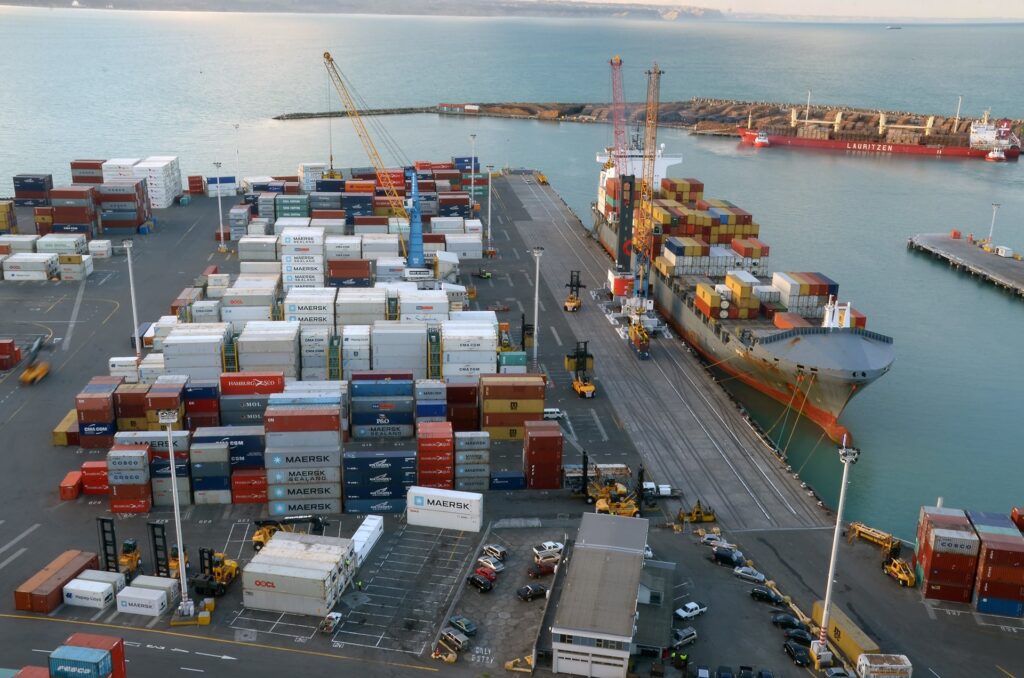
At Djibouti the supply tanker comes alongside at the anchorage under the port permission for ship-to-ship transfer, with a mooring master, fenders and hoses provided for the operation, or a barge delivers at the berth. The desk fixes the mode with the supplier, obtains the permission and books the equipment.
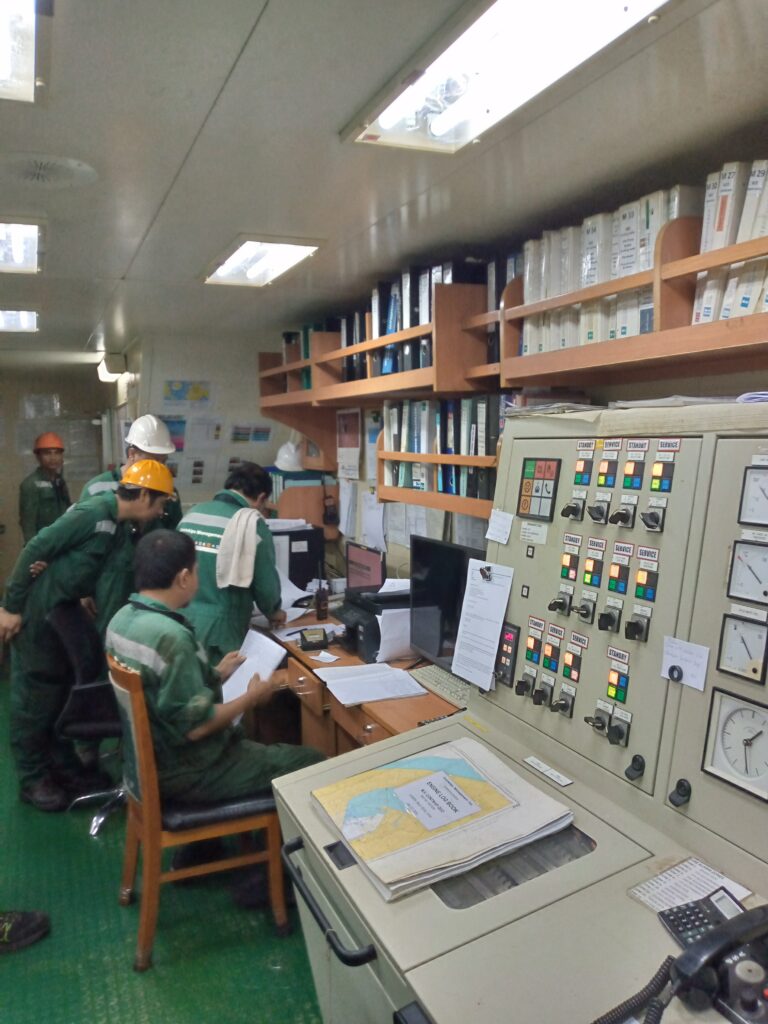
Connection, opening soundings, pumping, closing soundings and disconnection are attended and timed by the boarding officer, so that the account shows what happened.

The owner's surveyor sounds the barge before and after, witnesses the sampling and checks the delivery note against the stem. A difference between the barge's figures and the vessel's is protested on the spot, in writing, with the surveyor's figures attached; a protest raised after the barge has gone is a letter, not evidence.
Samples are sealed and their custody recorded, and the desk holds the paperwork with the account.

While the barge pumps, the launch works: joiners and leavers through Djibouti-Ambouli International Airport, spares cleared in transit and lifted aboard, fresh provisions, cash to master against the master's signature, a doctor if one is needed. The desk plans these with the bunker delivery so that the vessel leaves Djibouti with everything done.
One DA covers the stop, with the receipts attached to each line.
Yes, at the anchorage by supply tanker under the port's permission for ship-to-ship transfer, subject to the weather.
No. The desk acts as agent for the call and, where appointed, for the supplier's delivery; it does not trade fuel.
Yes. Crew, spares, provisions and cash to master are fitted into the same stop.
The boarding officer attends throughout, and independent surveyors appointed by the owner attend the soundings and sampling and issue the quantity report.
Receipts behind every line, a record behind every stoppage, a desk behind every call.
The port call, the crew change and the supplier desk, one instruction line.
Also on maingateshipping.com: Ship agency at Mombasa · Ship agency and charter brokers · Ship brokerage · About Maingate · Contact
Maingate Shipping Limited · Express Building, Moi Avenue, Mombasa, Kenya · ops@maingateshipping.com · +254 784 622 091